「 Harmony in Duality 」
Concept
Exploring the idea of essentialist thinking in regards to gender identity. The simplification limits growth and adaptability for current and future generations. The rigid binaries don’t allow for fluidity. This piece proposes gender as a balanced duality, where multiple truths can coexist without restriction, allowing for fluidity. This piece resists essentialism by showcasing that gender is not opposite binaries but a harmony of coexistence.
Credits
Concept, Design and Animation - Len Barrera Mendoza
Sound - Dewolfe: Spellbinding - Maria Antal
Research
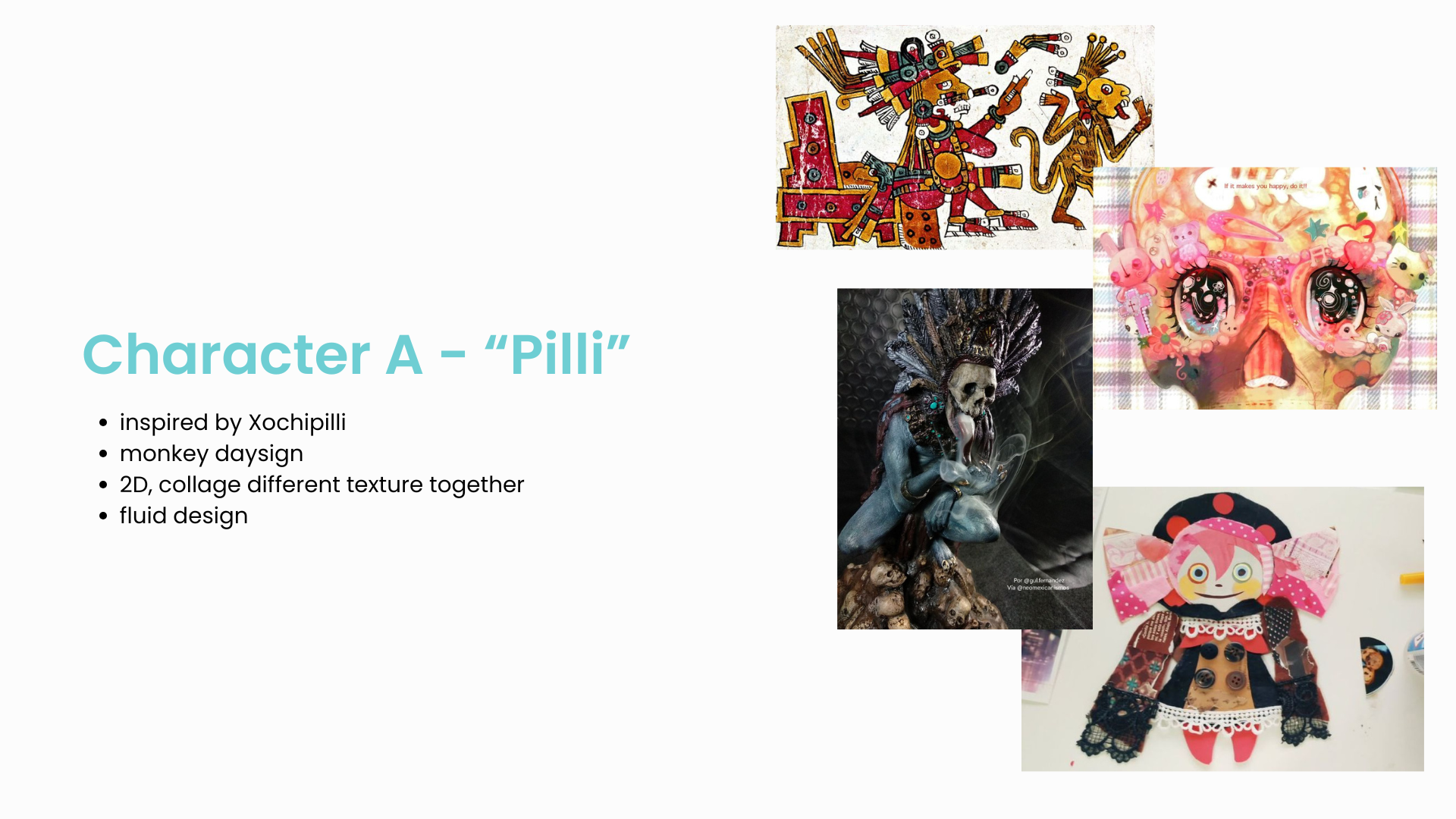
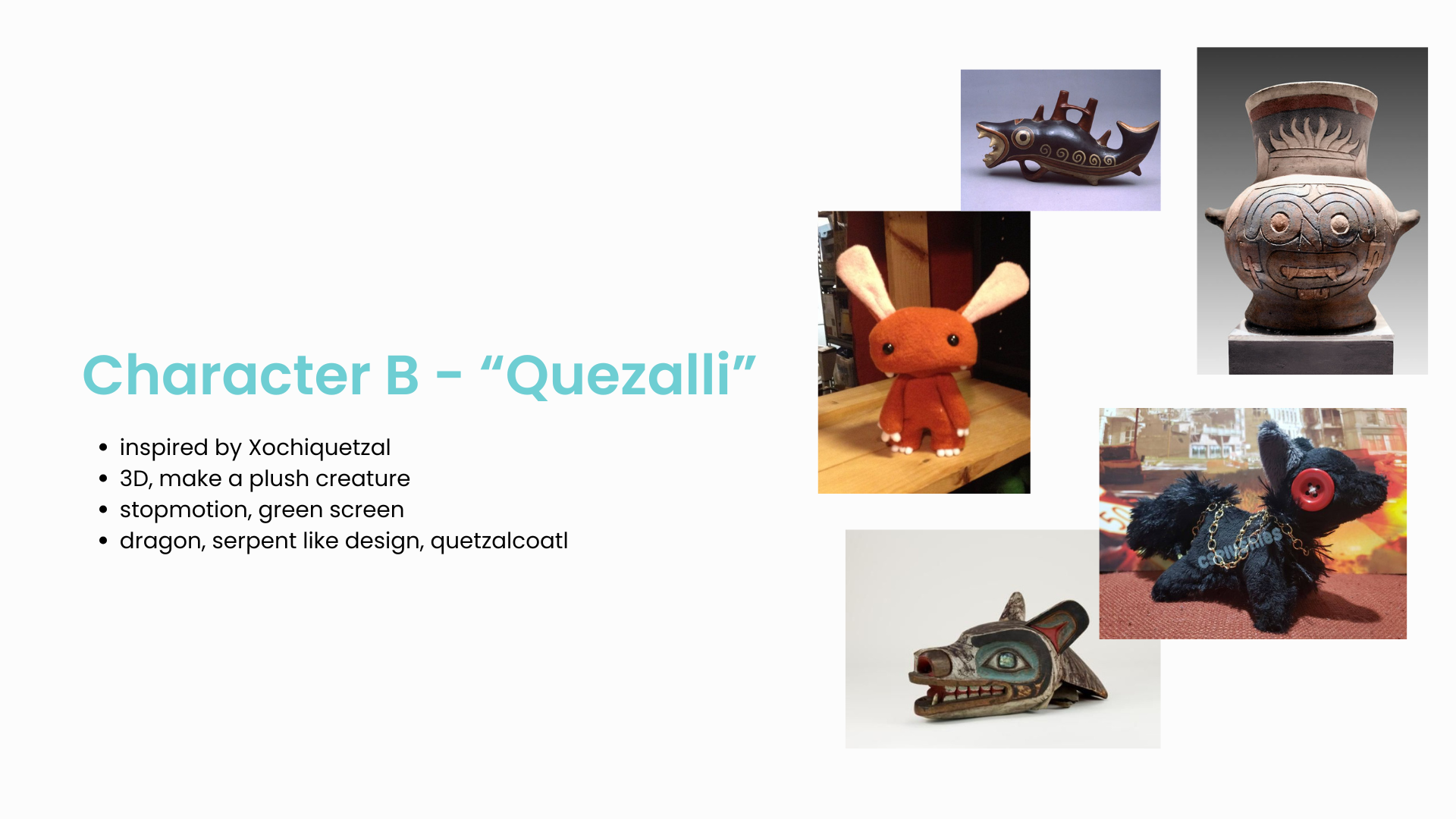
The approach is based on Nahuatl gods, Xochipilli and Xochiquetzal; having two distinct entities be one entity simultaneously, promoting harmony in duality instead of conflict, with emphasis on balance between the two halves, two halves of one greater essence.
Moodboards
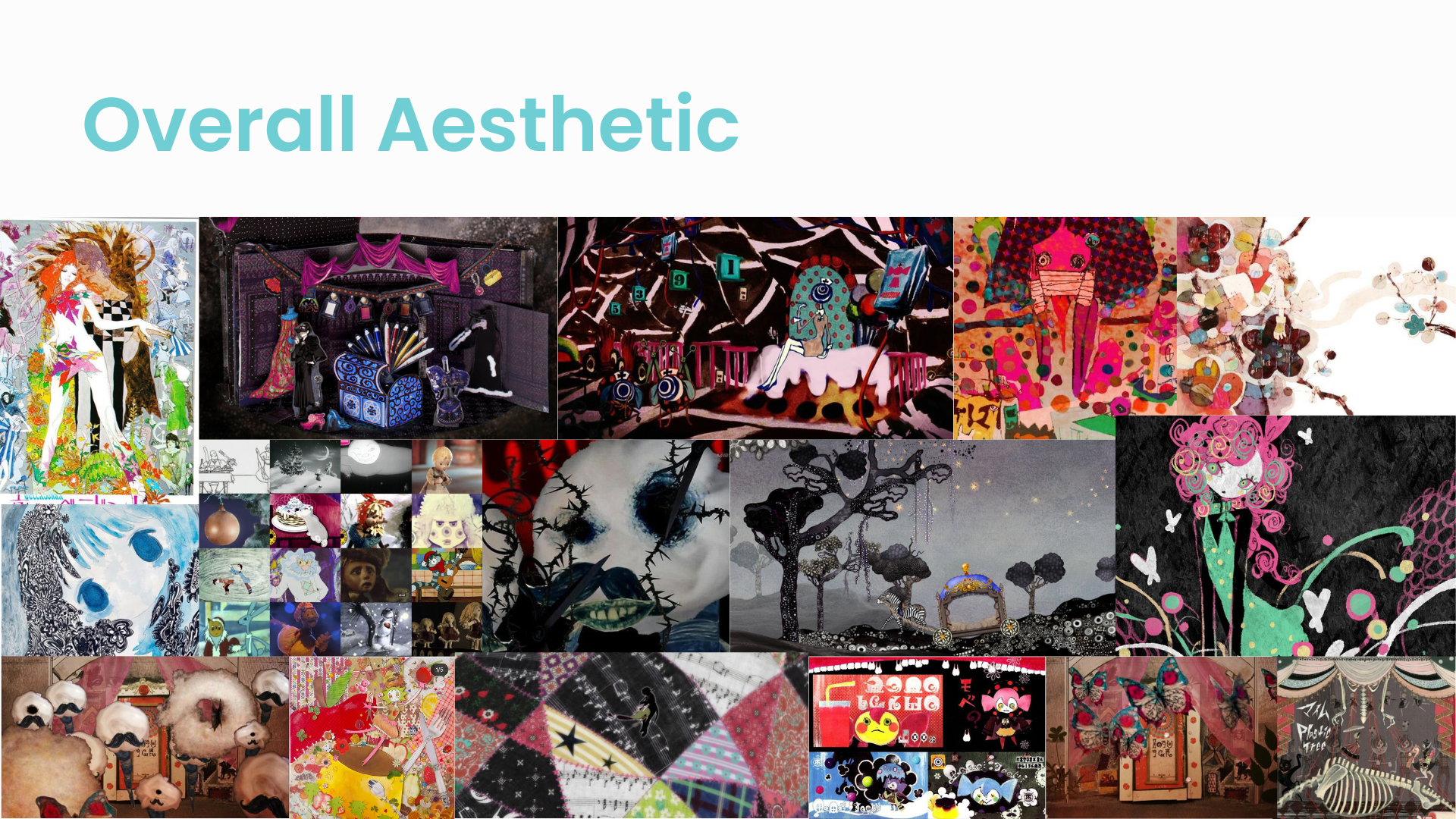
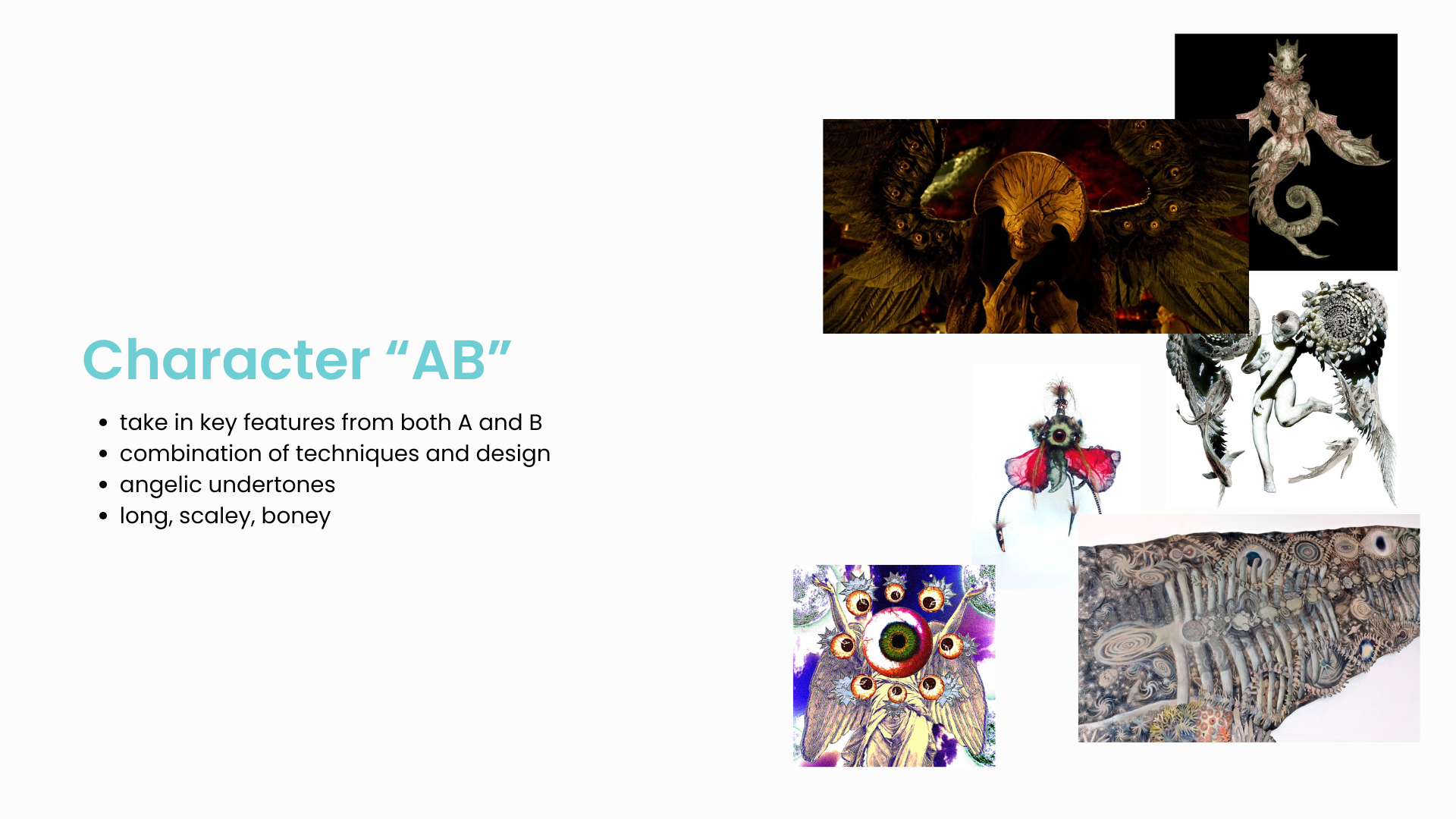
The visual style for this project was heavily inspired by artists Gekidan Inu Curry and Natsuki Kida. Both artists incorporate mixed media into their style and approach. This was a factor I wanted to incorporate throughout this film and specifically in the character design. Since both gods are depicted as seperate entities but at the same time as one, I wanted to have 2 entities come together into one.
Storyboards
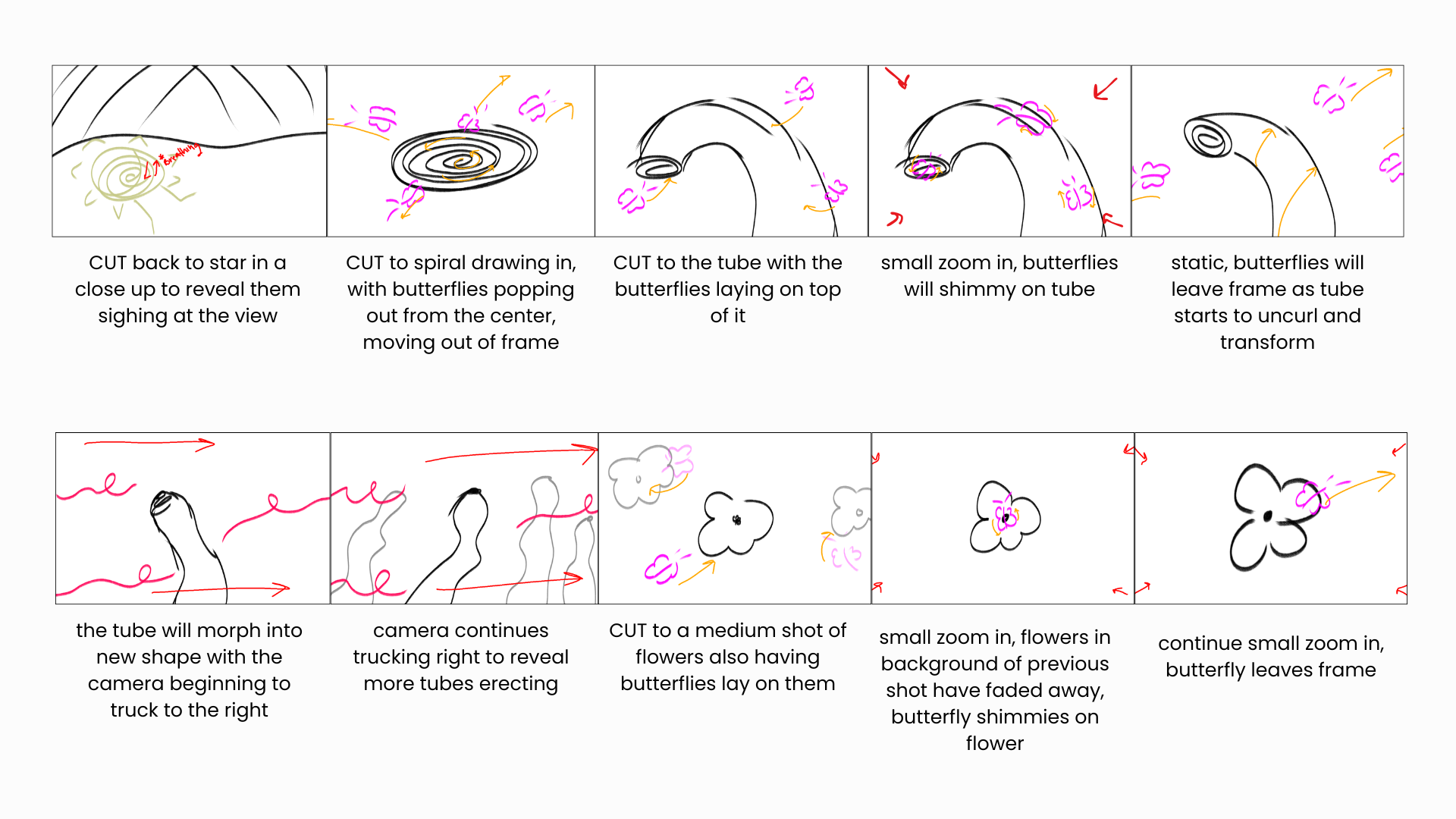
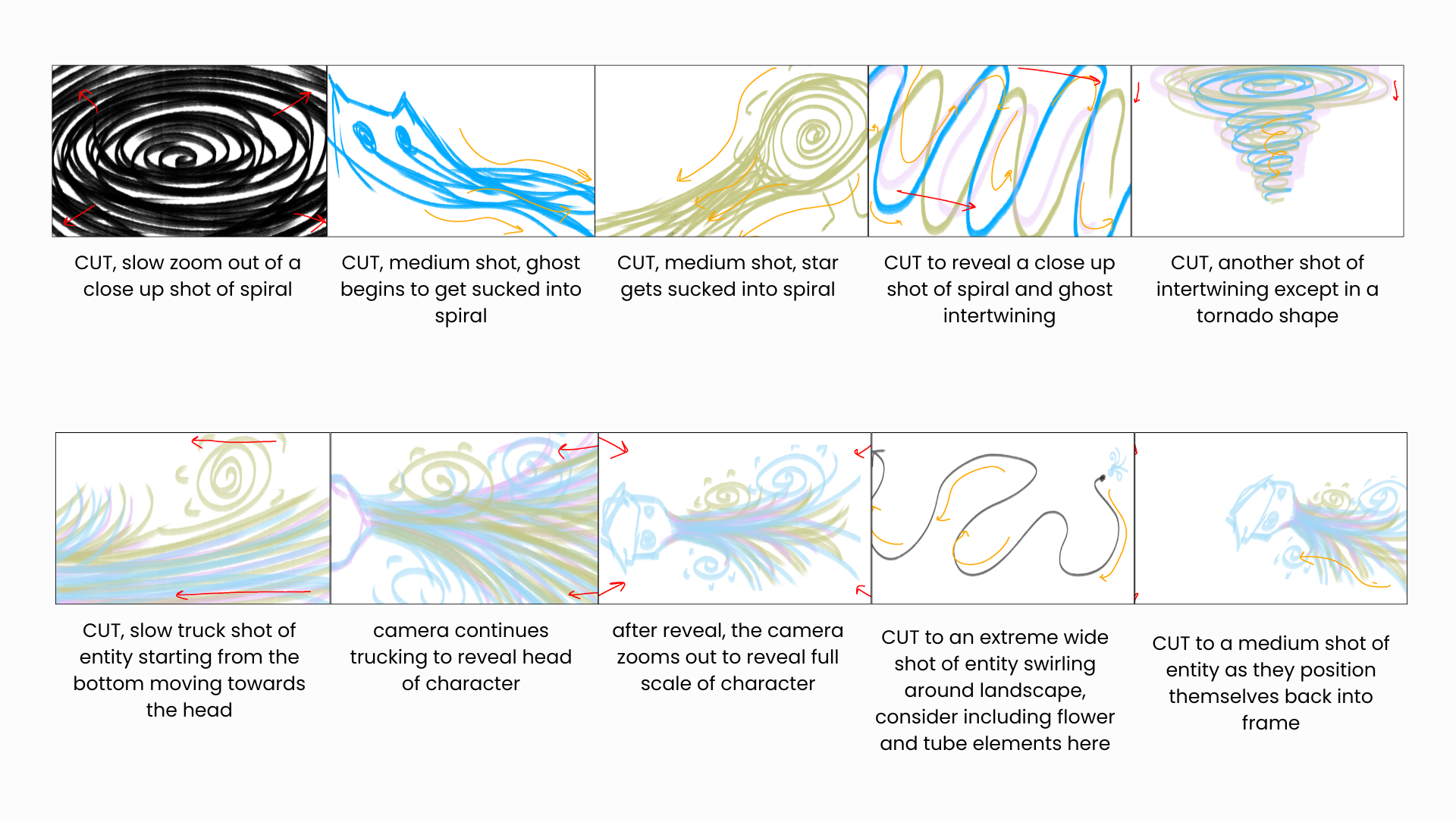
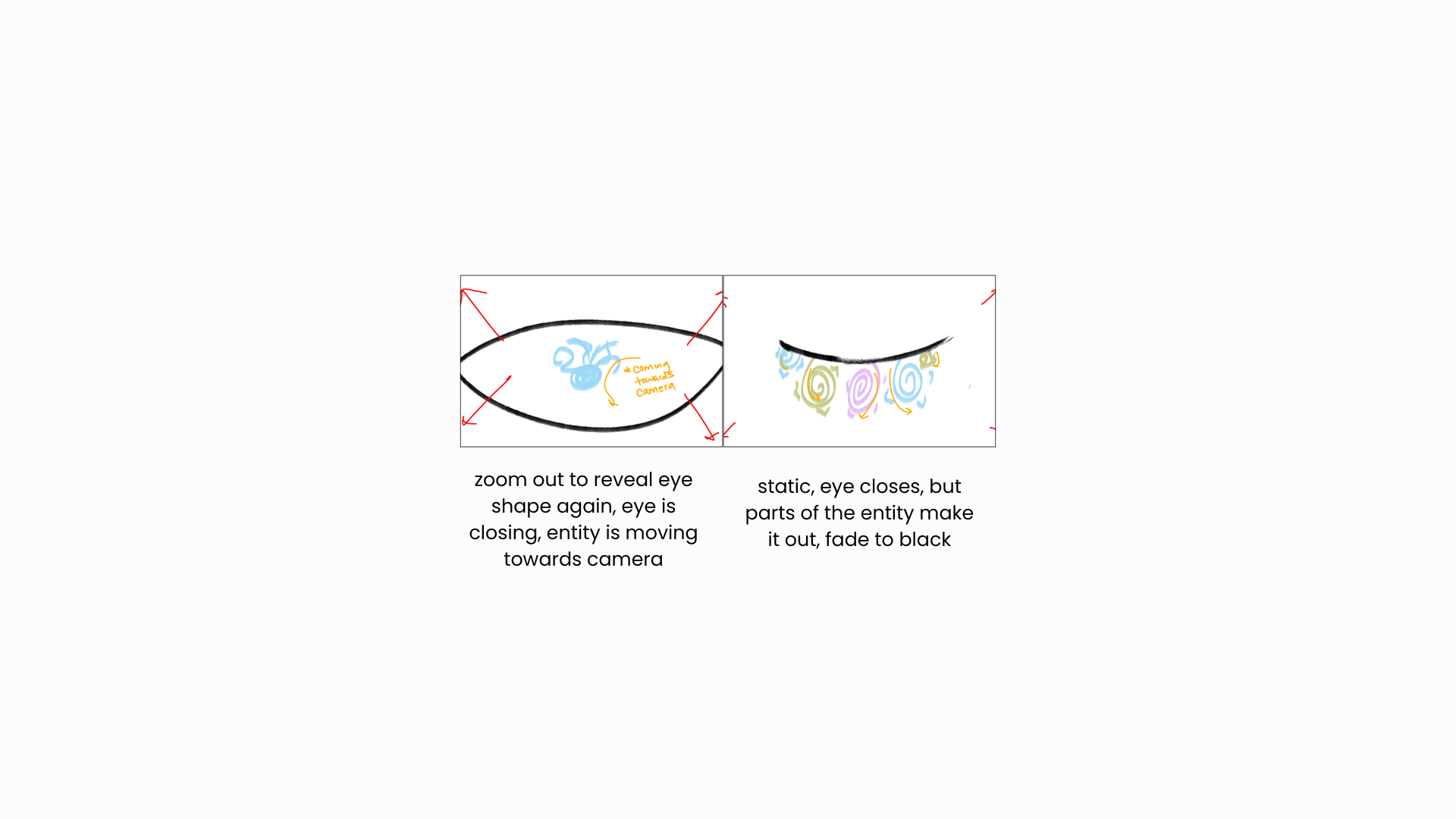
Audio and Sound Design
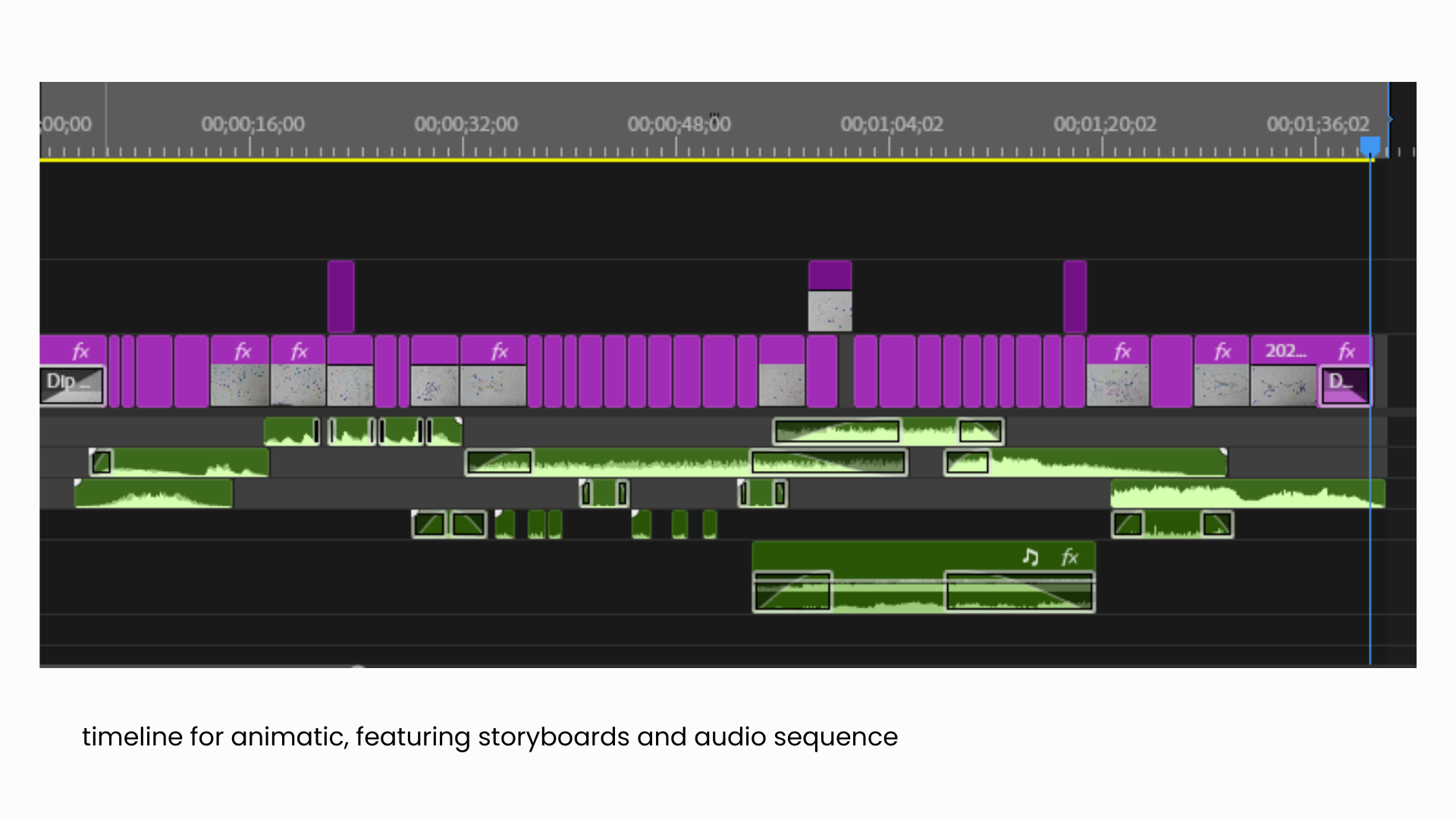
For the audio aspects of this film, I wanted to go for an eerie feeling, inspired by the audio scene in the animation “The Magic Canvas” by John Halas. Since there won’t be any voice overs, I really strived to have the audio drive the storytelling.
Visual Development
My creative process started with gathering potential assets to use throughout the process.
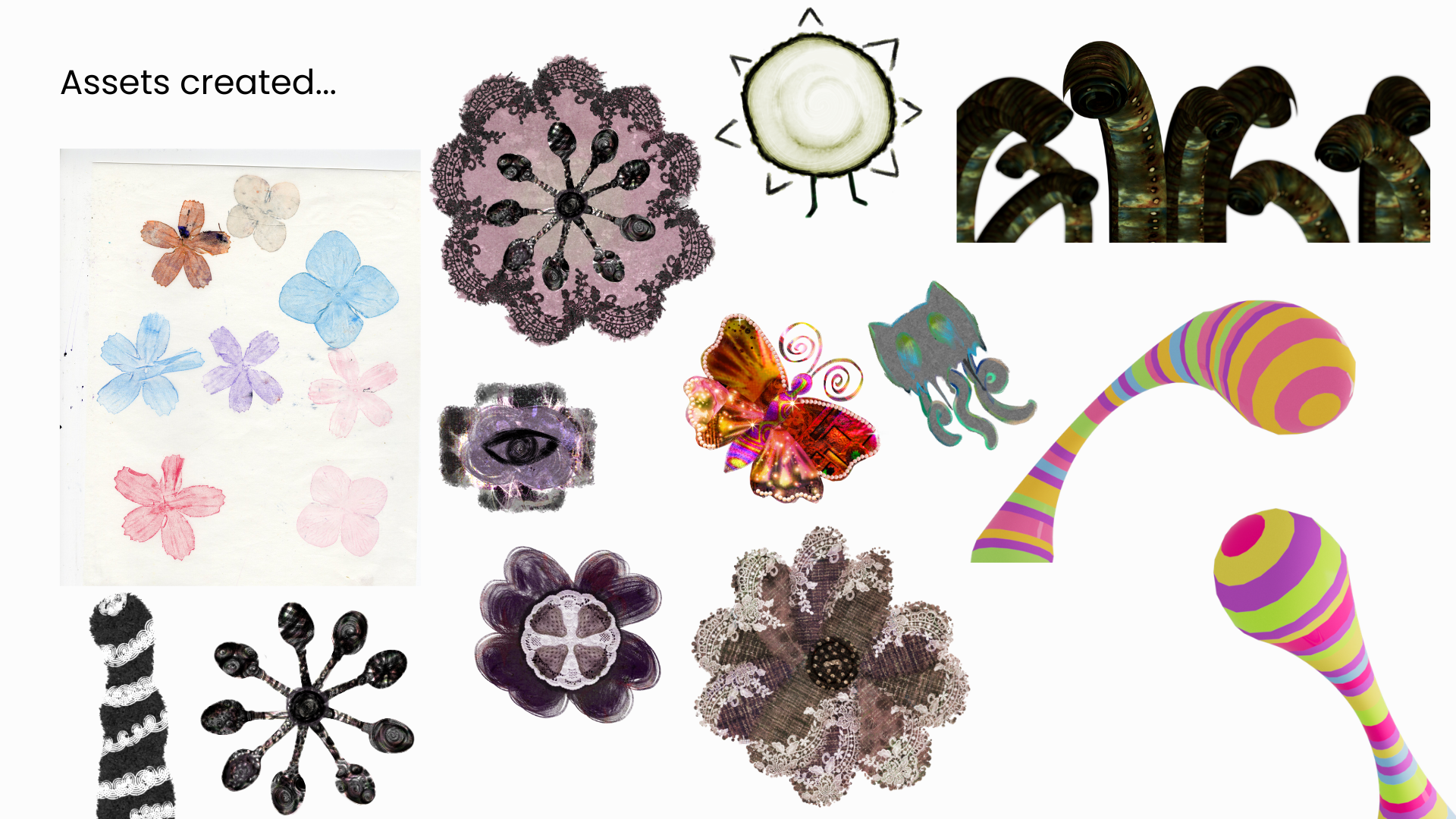
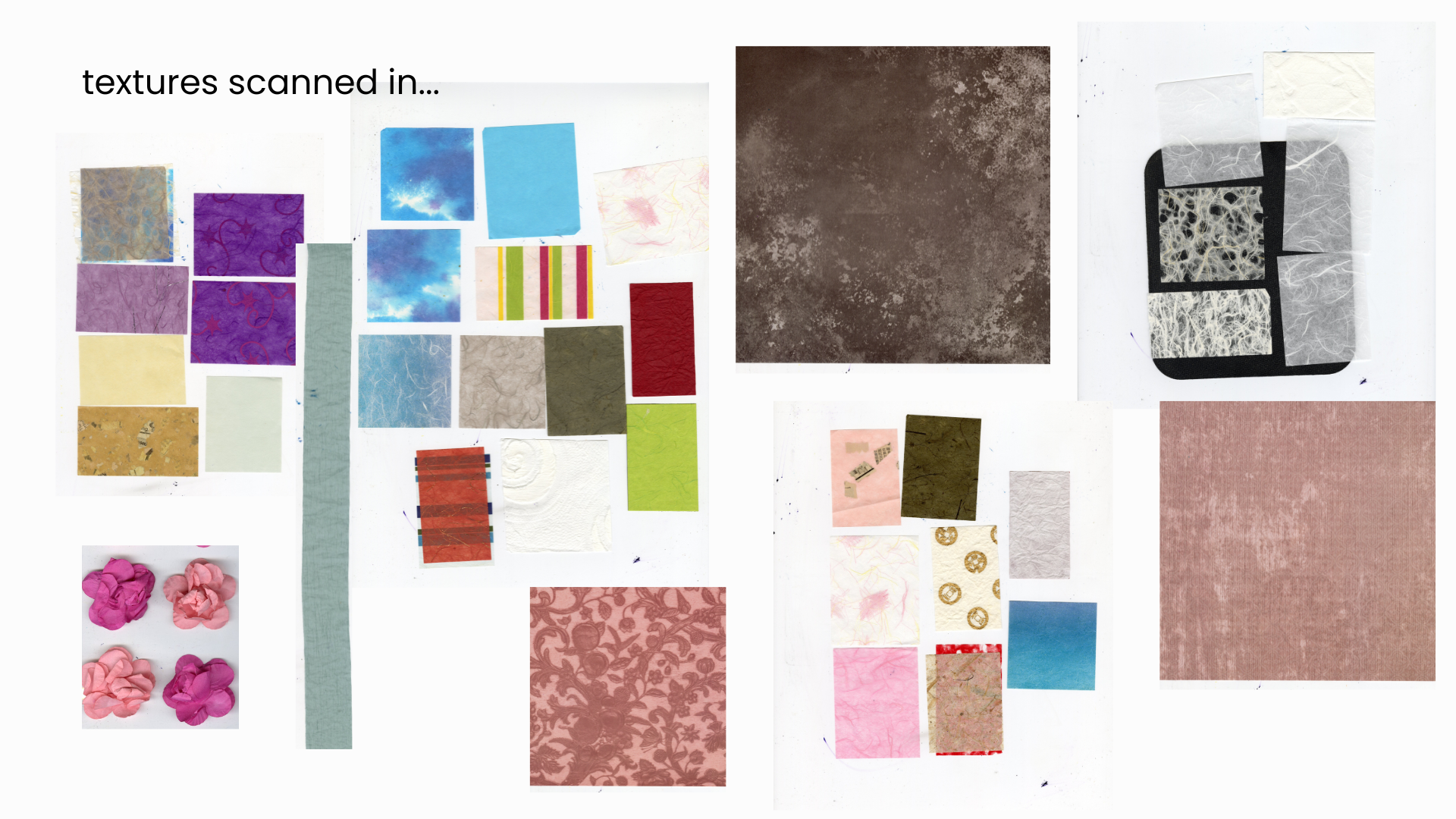
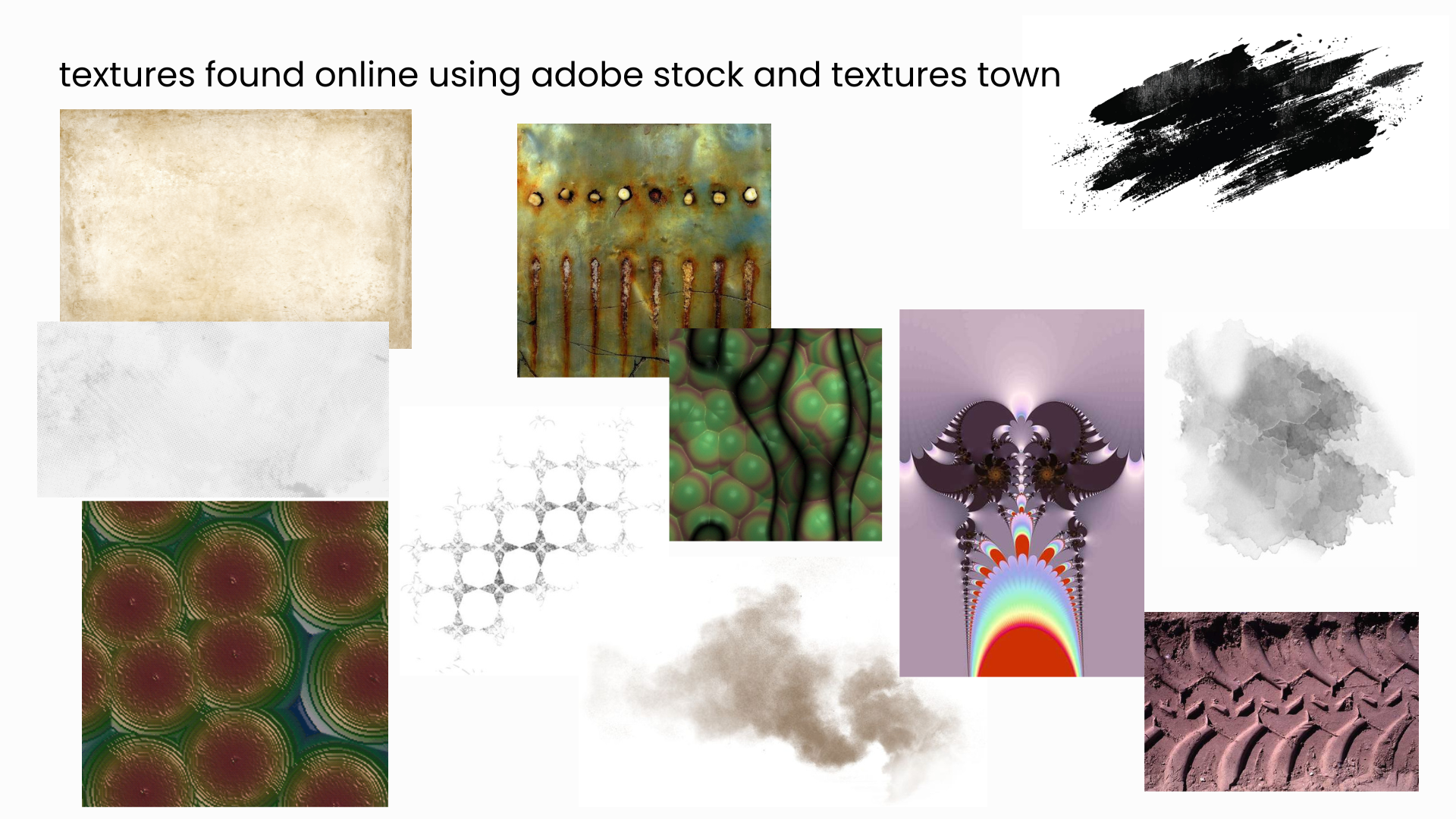
There's a mixture of collages created from scanned textures, digital textures which were located in sites like Adobe Stock and Textures Town.
Initial Styleframes
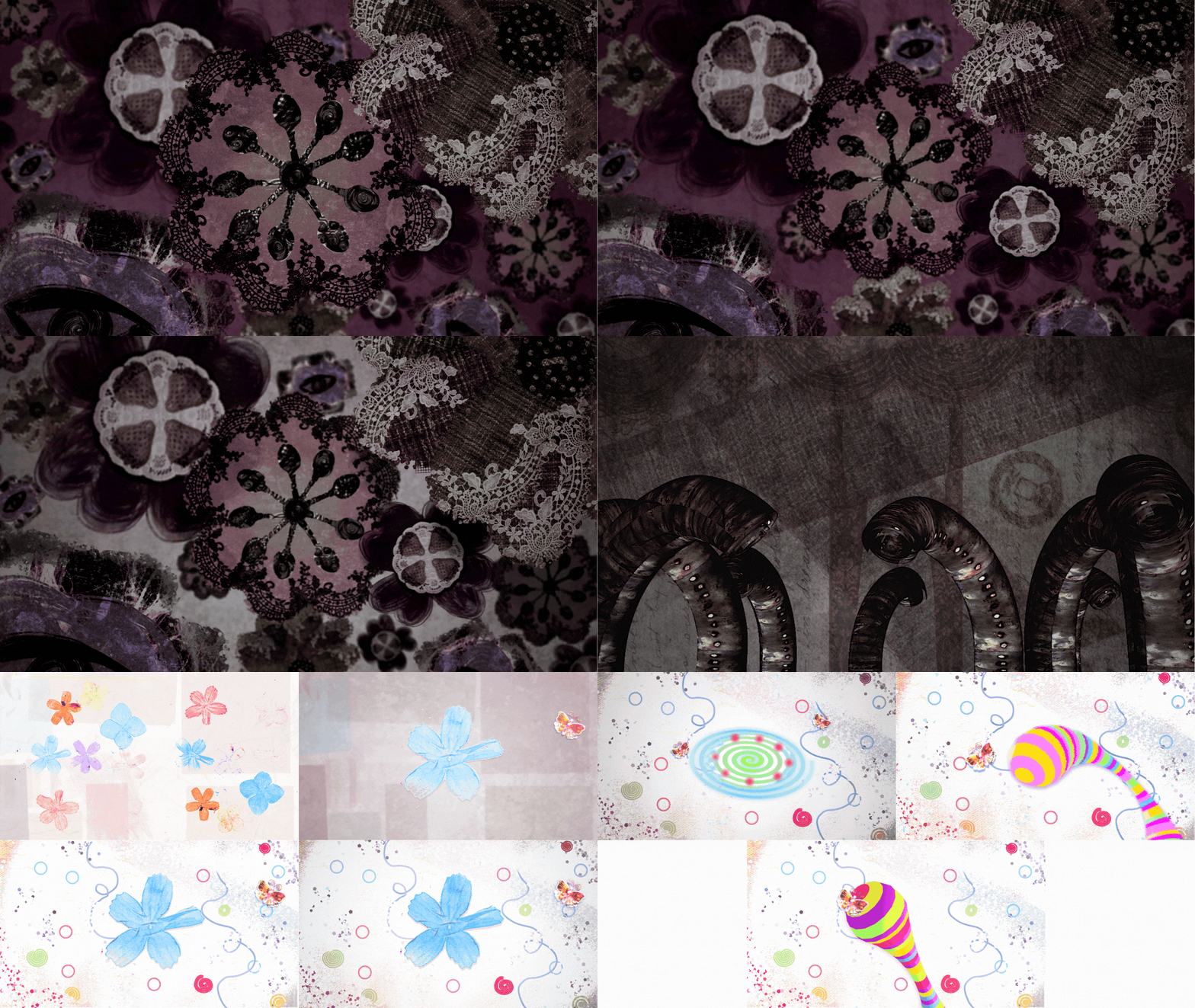
Before going into animating, styleframe tests were done to establish the style of the film. The film was split into three sections to make the production easier and more organized.
Character Creation
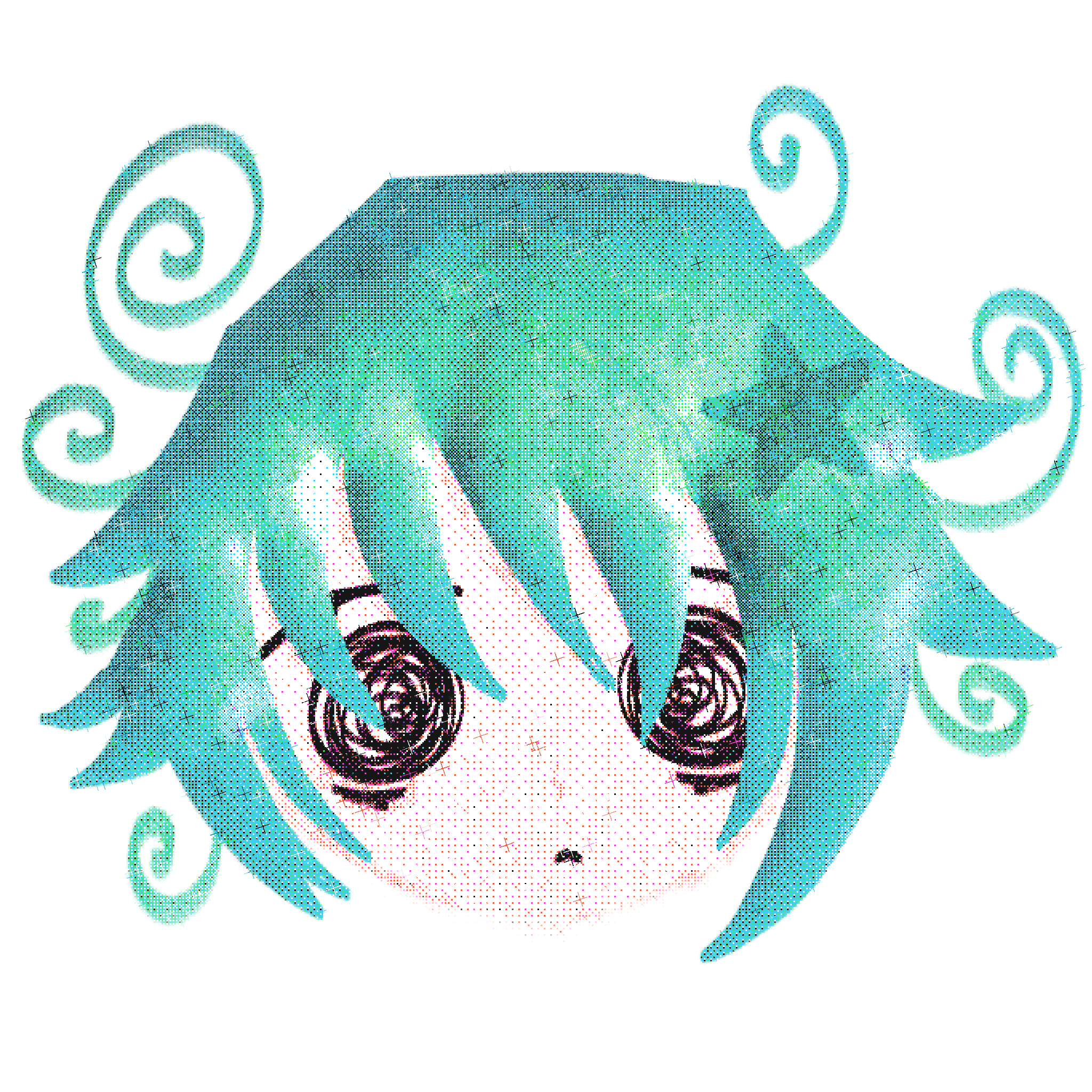
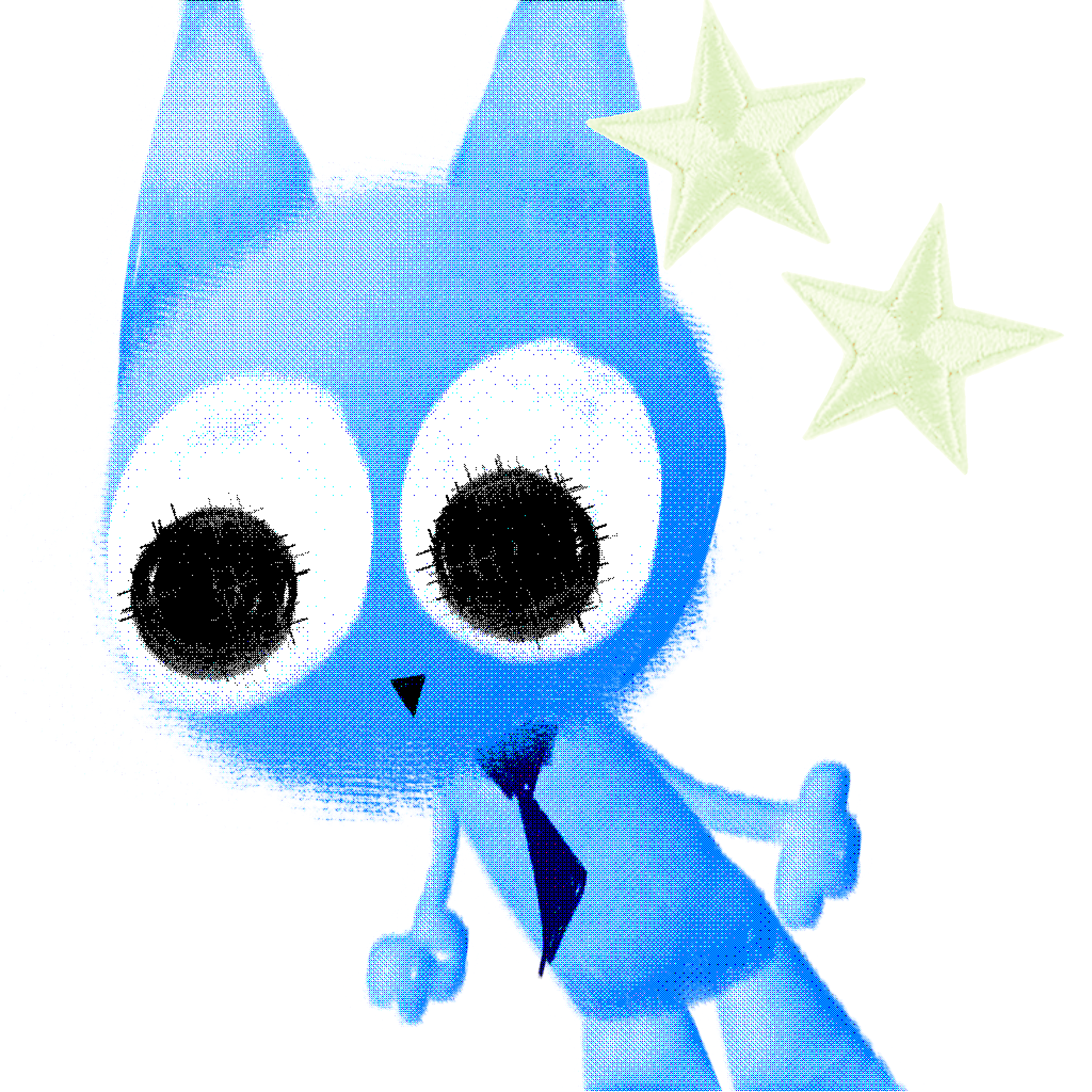
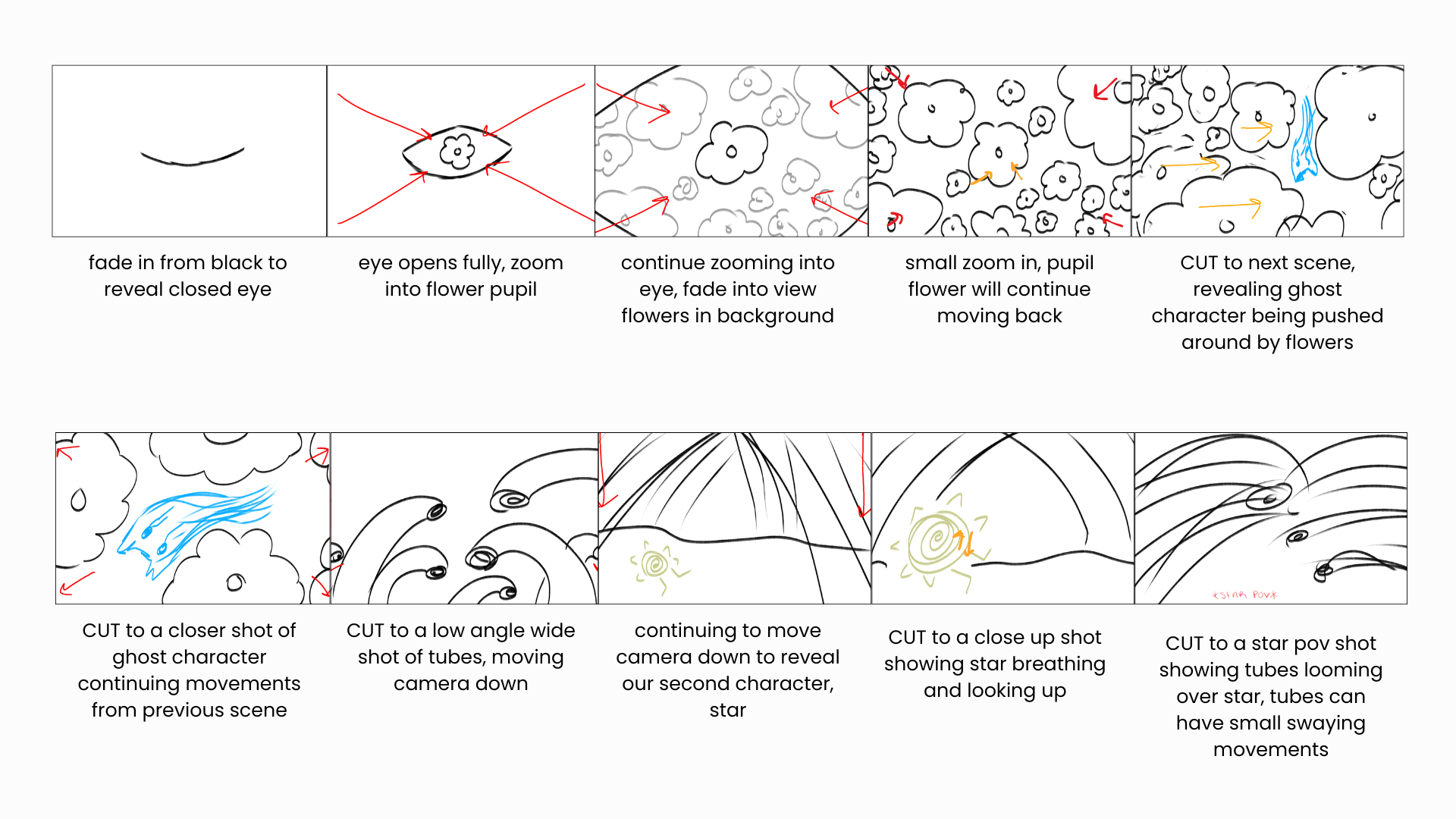
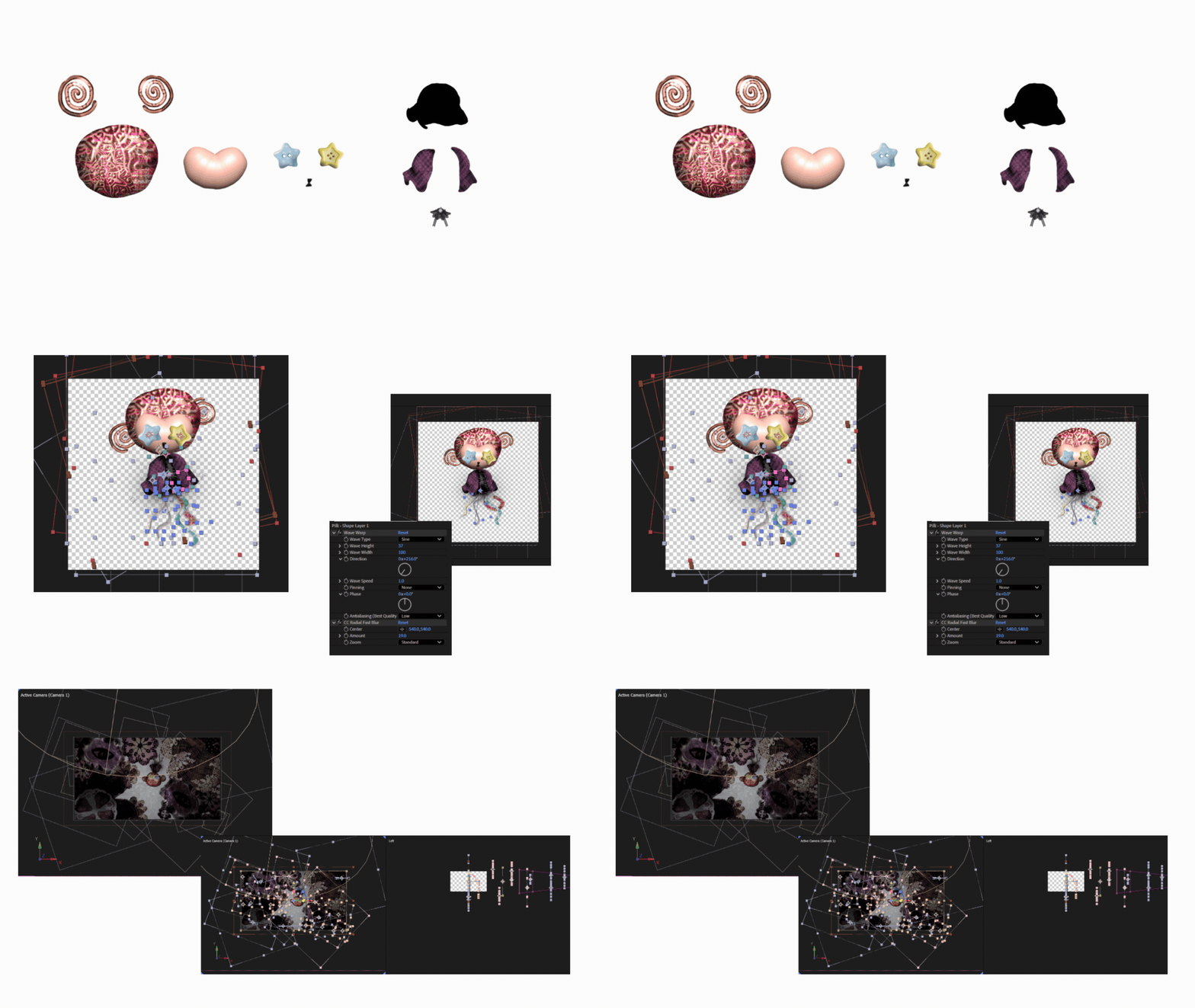
Pilli's character creation came first. Pilli was created as a collage of images. They were then brought into After Effects where I used the puppet tool to add small animations. The setting is created using 3D in After Effects by making the flat illustrations a 3D layer and adding small motions and moving through the scene with 3D camera.
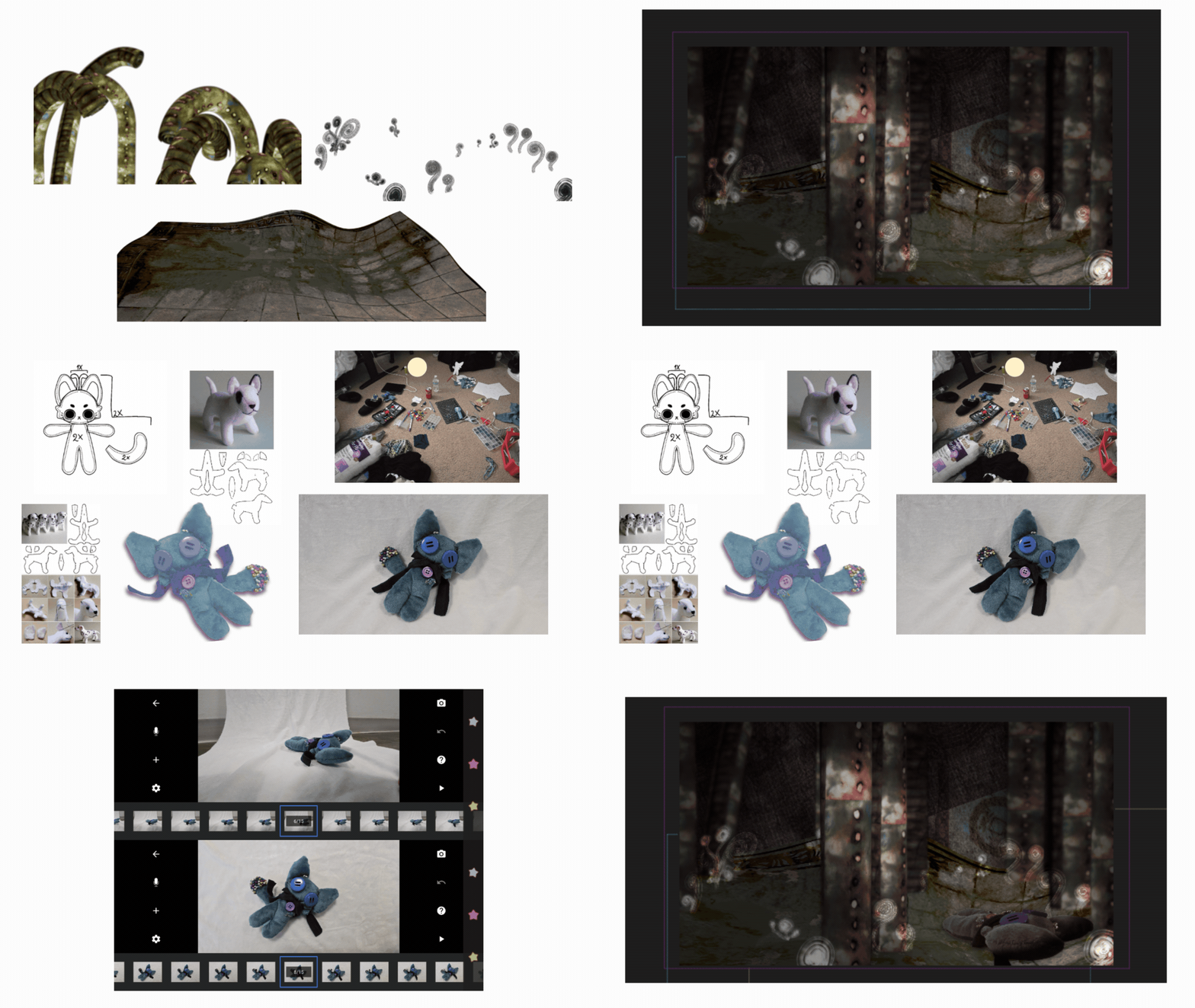
Quezalli was created second. After struggling with how they should look, I ended up sitting down with a collection of fabric, buttons and ribbon, and went straight to work. The background was made similarly to the previous scene, using the 3D camera and seperated layers to create depth.
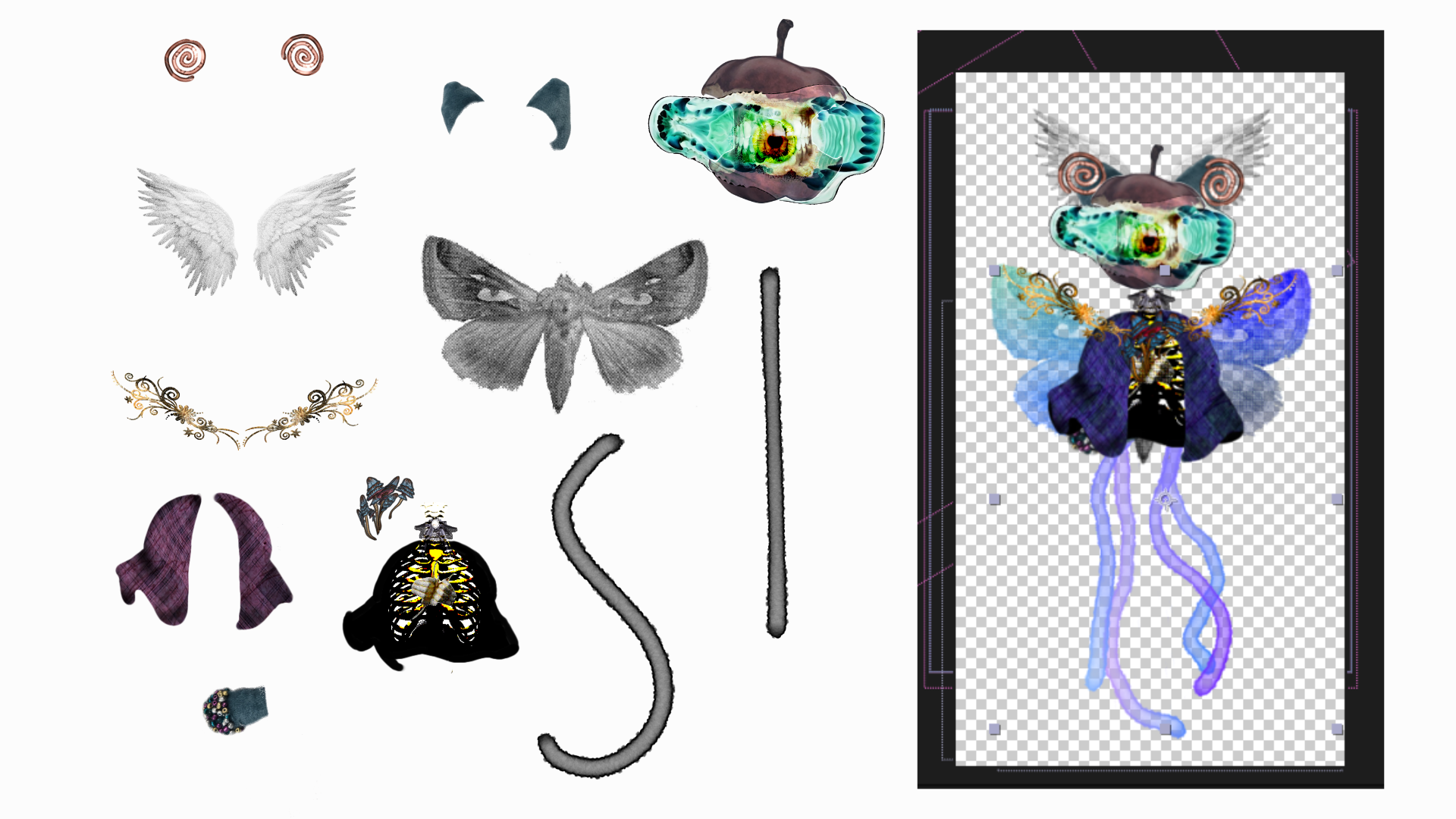
The dual entity for the ending was also a collage of images with parts of both Pilli and Quezalli added.
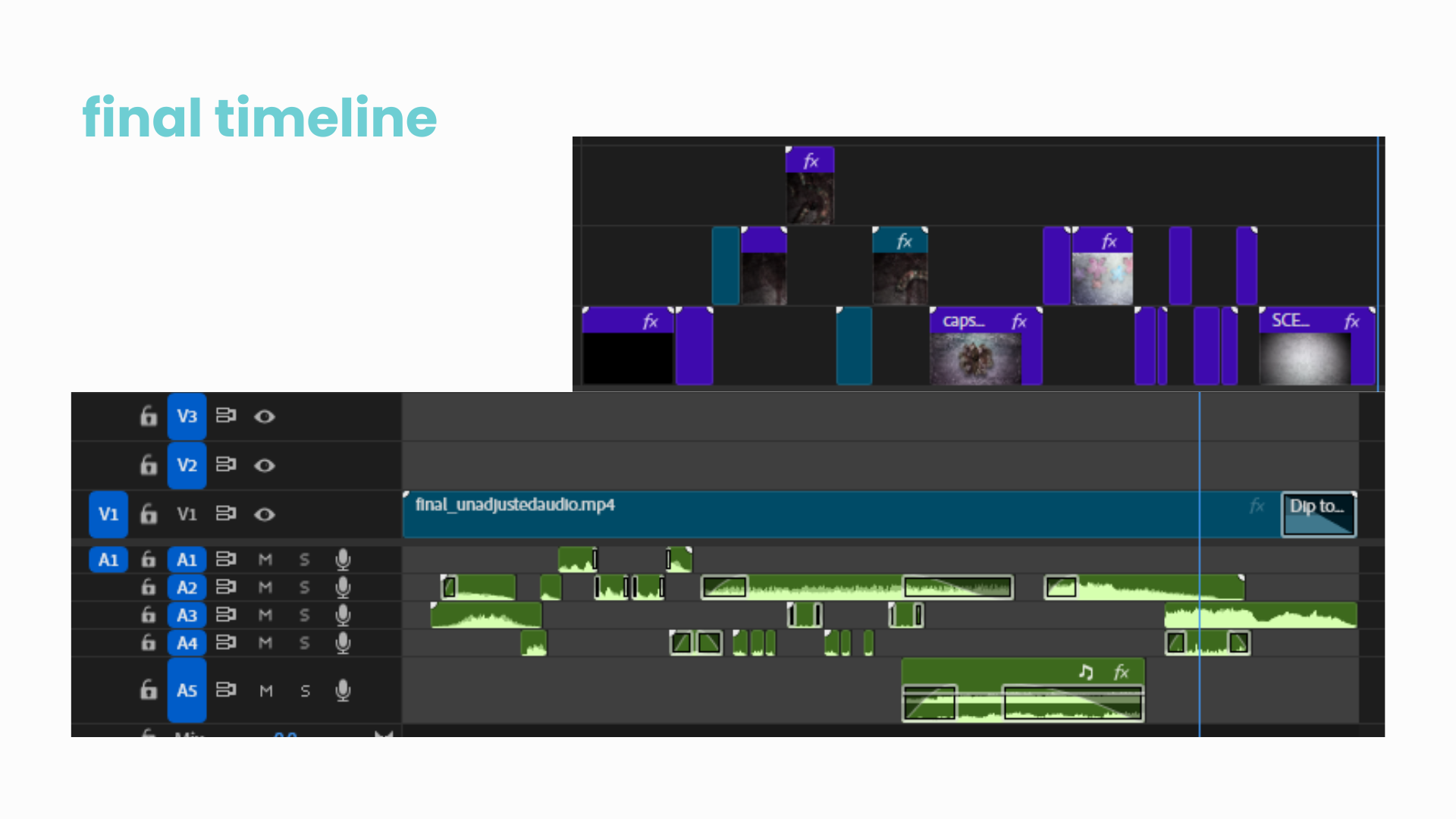
Final Timeline
Putting everything together felt satisfying, some minor adjustments were made to the audio to fit the pacing of the animation.